
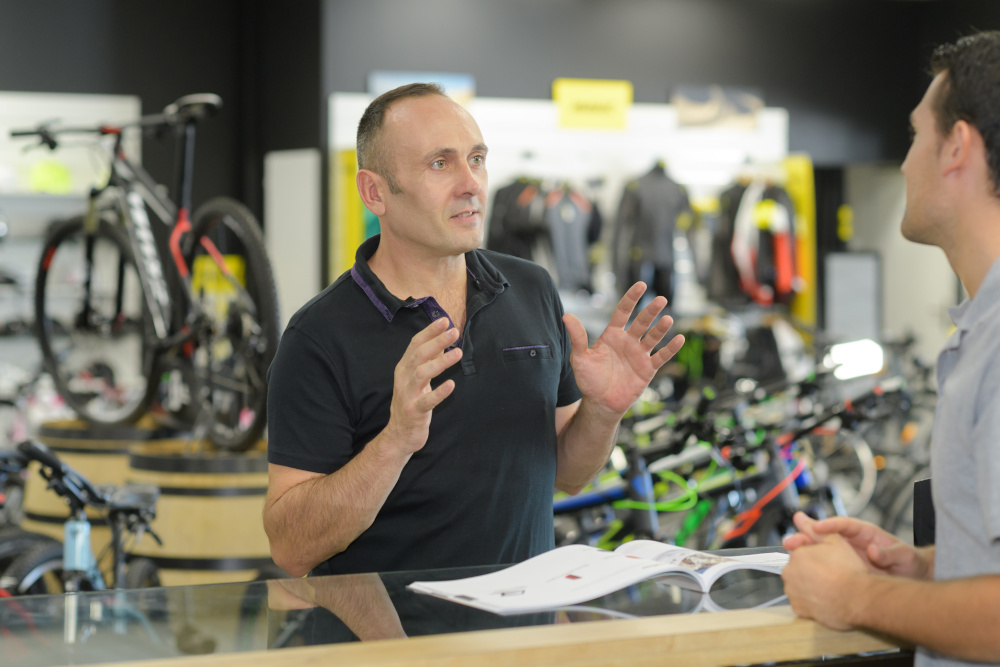
At Central Alberta Bicycle School (CABS), we understand that selling bicycles—whether it be a sleek road bike, a rugged mountain bike, or a versatile commuter model—requires a unique approach that resonates with today's cyclists. By tailoring your sales techniques to highlight the specific benefits and features that appeal to your customers, you can create a memorable experience that transforms a simple inquiry into a purchase. Engaging with customers on a personal level and demonstrating how each bicycle can enhance their lifestyle will not only boost your sales but also foster a loyal community of riders.
Tips for Selling Road Bikes
- Understand the Customer's Needs: Start by asking what the customer plans to do with the bike. Are they dreaming of joining the Tour de France, training for a local charity race, or simply commuting to work faster? Knowing how they will use the bike helps you choose the best options for them.
- Educate on Materials: Road bikes come in different materials like carbon, aluminum, steel, or titanium. Each type offers a unique riding experience. Help your customers understand how these materials can affect their ride.
- Focus on Weight and Frame Materials: Most people want a bike that’s easy to handle, which means lightweight. Explain to customers that lightweight options are available in all the main materials (carbon, aluminum, and steel).
- Explain Material Differences: Describe how carbon, aluminum, and steel frames differ from each other. Each has its own benefits and ride feel. This can help customers decide based on the riding experience they prefer.
- Ensure Proper Fit: It’s essential for the bike to fit the customer well. While they should comfortably straddle the bike, seat height can be adjusted. Make sure they’re not on tip-toes to stand over the frame.
- Comfortable Handlebar Reach: The reach to the handlebars is crucial for comfort. If a rider is too stretched out or too bunched up, it won’t be a pleasant ride. Adjustments are limited by the type of stem, so finding a comfortable reach is important.
- Gear Options Based on Intention: Ask if the customer plans to race or enjoy a casual ride. For racing, suggest bikes with 18- to 20-speed gears. For more relaxed use, a bike with up to 30 speeds might be better, especially for tackling hills and cruising flat roads.
- Don’t Overlook Appearance: Even with all the other features, how a bike looks is incredibly important to many buyers. If they don’t like how it looks, they might not ride it often or want to buy it at all
Tips for Selling Mountain Bikes
- Understand Your Customer: Buying a mountain bike is a big decision, involving both time and money. Get to know what your customers need, making their purchase a fun and memorable experience.
- Keep It Simple: Don’t overwhelm customers with too much technical talk. Pay attention to simple things like colour, saddle comfort, and even opinions from friends. If customers feel confused, they might not buy.
- Ask Positive Questions: Encourage customers to answer "yes" to your questions to create a positive vibe and excitement about their purchase. This can help in making a sale.
- Explain Bike Value: Customers know that spending more can mean getting a better bike. Help them see how a higher-end bike offers better handling, cornering, and stopping. Paint a picture of the improved riding experience.
- Build a Relationship: Ask questions to learn about your customer’s preferences. Remember, they trust your opinion and want quality. Show them your store is the right place to make their purchase.
- Highlight After-Sale Support: Make sure customers know about your store's commitment to them after the sale. Explain the extra benefits they get by buying from you.
- Suggest the Right Category: There are many types of mountain bikes, which can be confusing. Ask where and how they plan to ride, then recommend the right category based on what they need.
- Follow Up: After a sale, reach out to see how the customer is enjoying their bike. This is a good time to suggest any useful accessories they might need.
- Offer Choices: Show bikes in groups of three. Customers usually choose the middle one, so make sure it’s a strong option.
- Be Honest: Earning trust is crucial. By being truthful, you might miss a sale now and then, but you’ll gain loyal customers in the long run.
Tips for Selling Commuter Bikes
- Focus on Comfort: Commuter bikes are made for a variety of riders. When in doubt, help the customer find a bike that allows them to sit comfortably upright. This way, they’ll enjoy their ride and come back for accessories rather than with fit issues.
- Prioritize Durability: When people use bikes for commuting, having a sturdy bike is more important than having a super lightweight one. Offer bikes that meet high safety standards to ensure they last through daily use.
- Offer Versatile Options: Don’t limit your customers. While cruisers look great, hybrids offer a range of uses, from commuting to fun rides and fitness. Hybrids give the best value for their money.
- Break Down Costs: If customers hesitate because of price, help them see the savings. Compare the cost of a new bike to how much they will save on gas for their car. This is a unique angle for commuter bikes that doesn’t work for road or mountain bikes.
- Sell the Frame First: Start by showing off the bike frame. A good-quality frame can last for many years, and customers can upgrade their other parts as needed. Make sure the bike has good mounting options for racks and fenders.
- Comfort Over Speed: Comfort is key for commuters. Recommend bikes with front suspension and lockout forks; these features help handle bumps in the road and provide a smooth ride.
- Highlight Durability Features: Emphasize features like double-wall rims and puncture-resistant tires for added strength. Talk about the lifetime warranty on the frame, as well as the support your shop offers.
- Promote Security Features: Explain the importance of security features like quick-release locks for wheels and seat posts. Remind customers to budget for a quality lock, as well as necessary items like helmets and accessories.
- Display Accessories: Set up a floor model with all the essential accessories like racks, panniers, fenders, and lights. Keep the design simple, avoiding flashy colors or bold logos that might attract thieves.
- Sell Your Shop’s Value: Instead of focusing on specific brands, promote your shop as a trusted brand. Most customers don’t have strong brand loyalties, so you can guide them to choose bikes that offer the best value for their needs.
To delve deeper into these effective selling techniques designed specifically for the bicycle retail environment, consider registering for our online Sales Training Course at http://salescourse.ca. This course provides valuable insights that can elevate your sales strategies and help you excel in the competitive world of bicycle sales. Join us and discover how to become a more effective and professional salesperson.
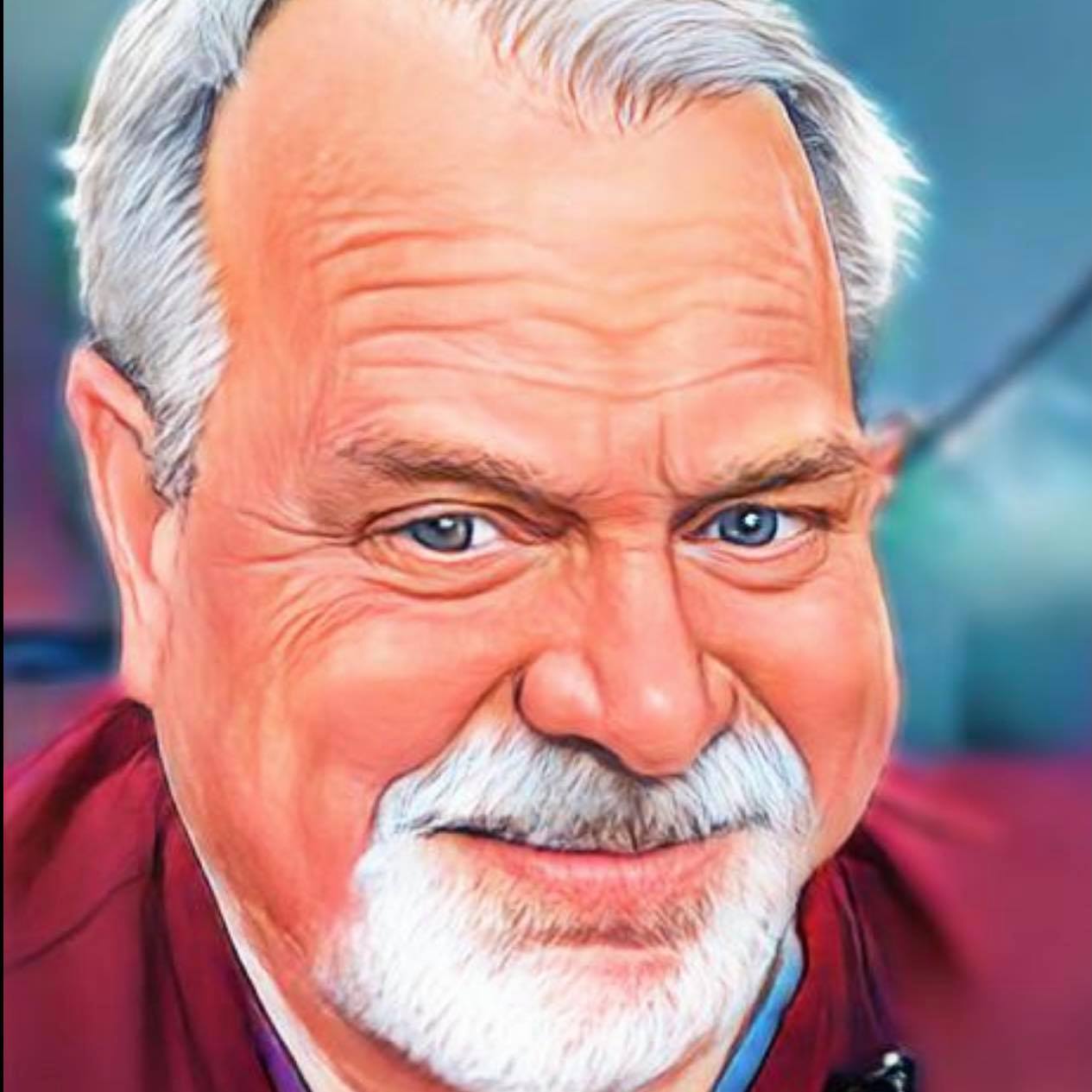
ABOUT THE AUTHOR
Brian Hahn is a fully certified professional bicycle mechanic, a former member of the PBMA, author of the Central Alberta Bicycle School CABS Student Handbook and an instructor of CABS. He has been published in several publications in Canada on varied topics. Over the past nine years he has taught students who achieved both the BAM Certification Program and the Bicycle Building and Wheel Truing Certificate Courses. He can be contacted directly through the CABS Contact Page.